Stålekleivloftet - one of the oldest wooden buildings in the world
Type:Historical buildings/environment
Museumsvegen 9, 3891, Høydalsmo



To build your own Itinerary, click  to add an item to your Itinerary basket.
Already saved an Itinerary?


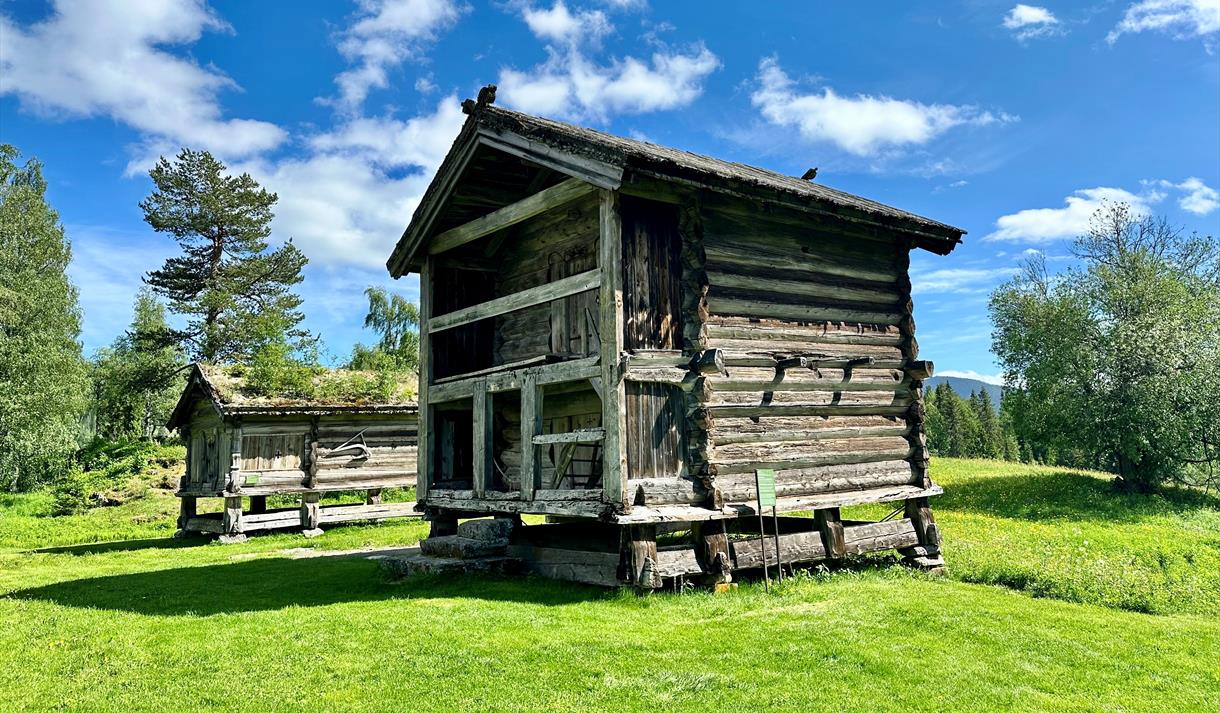
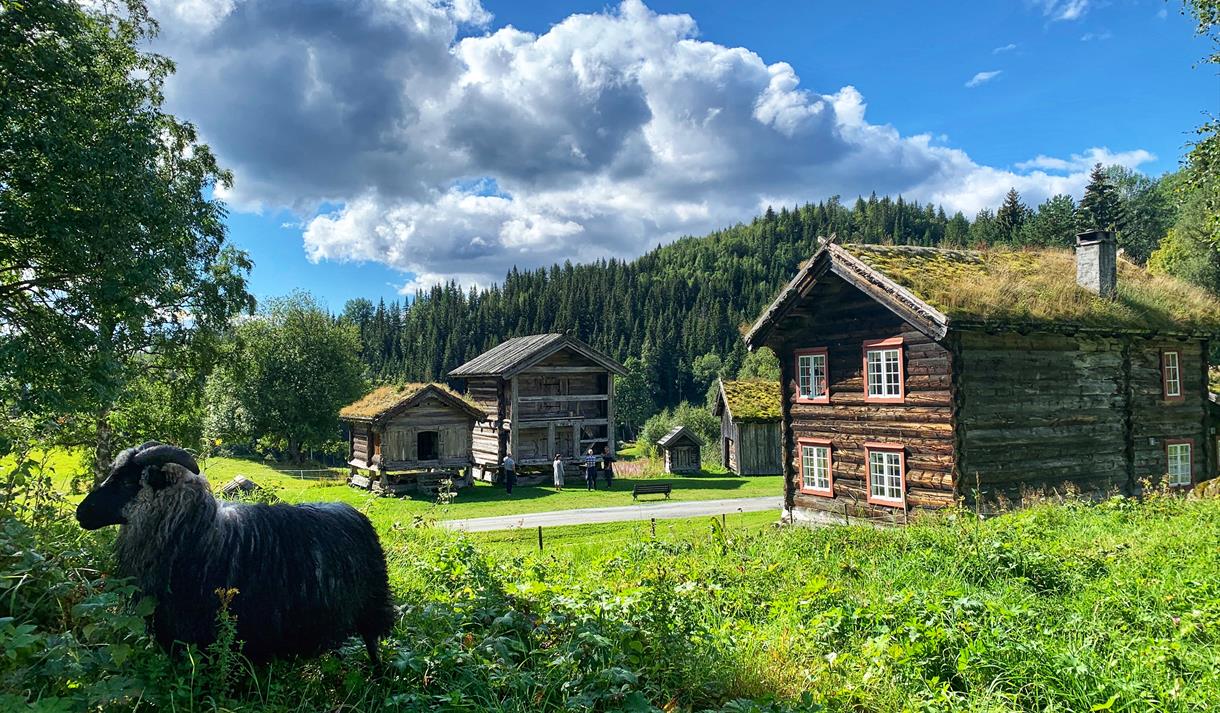
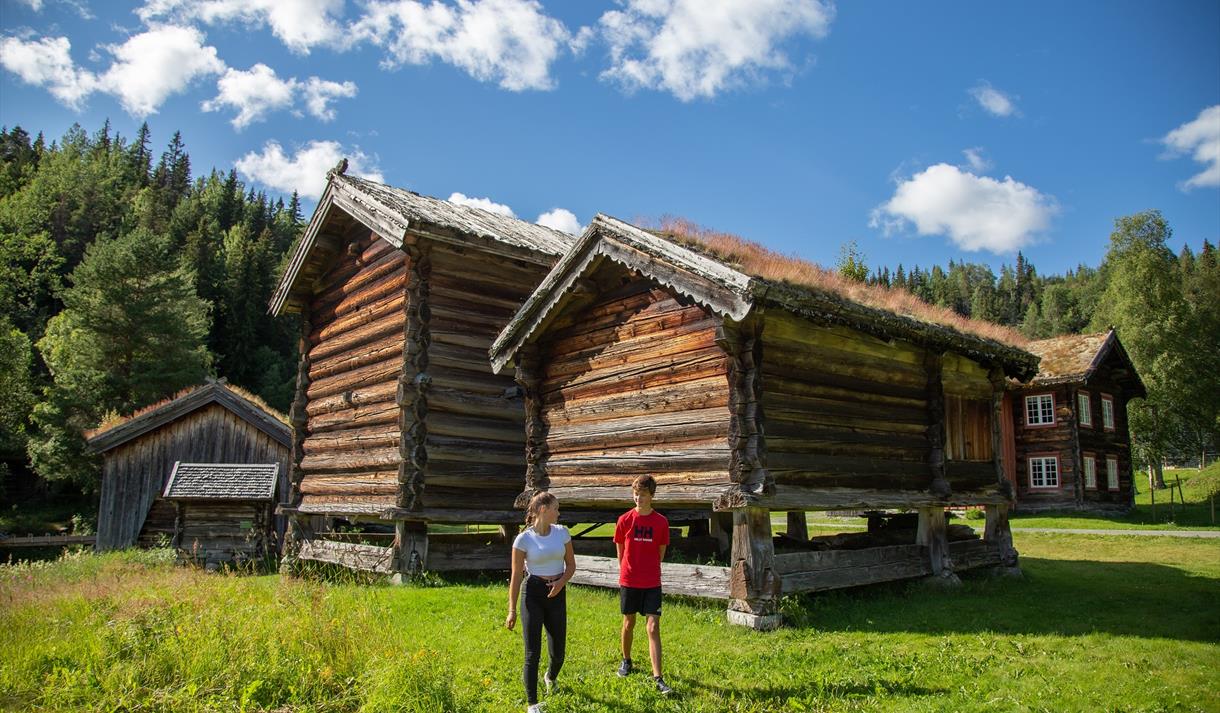
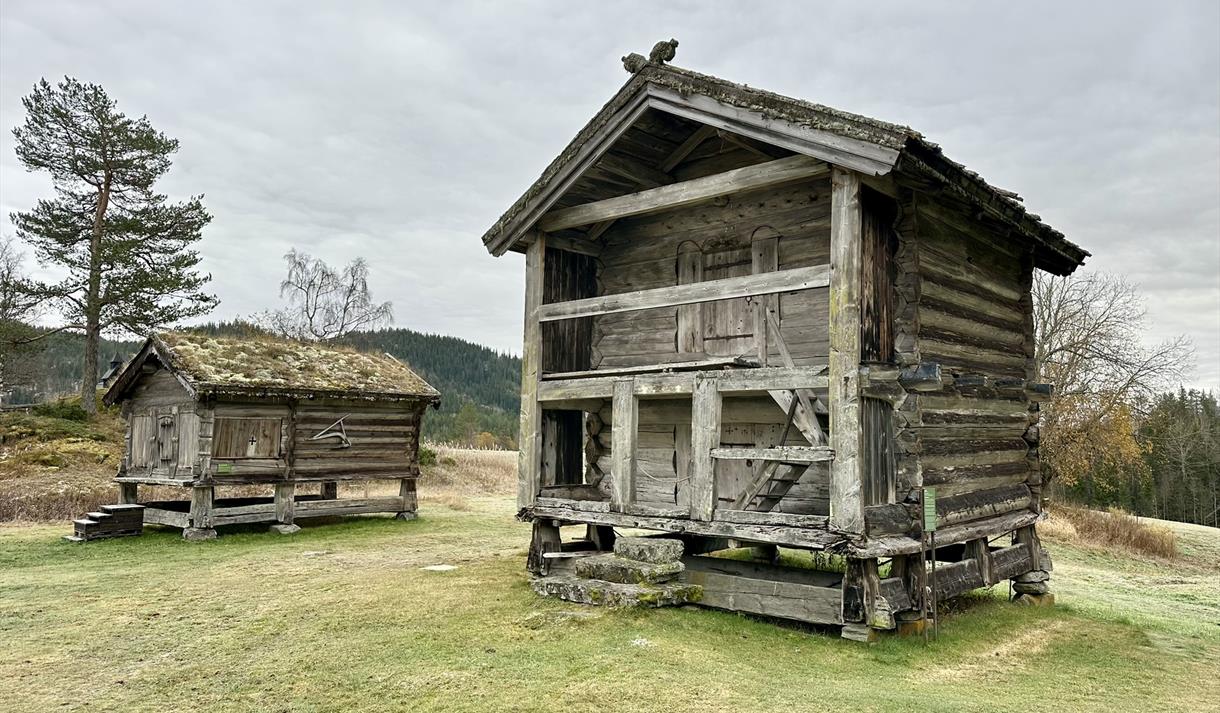
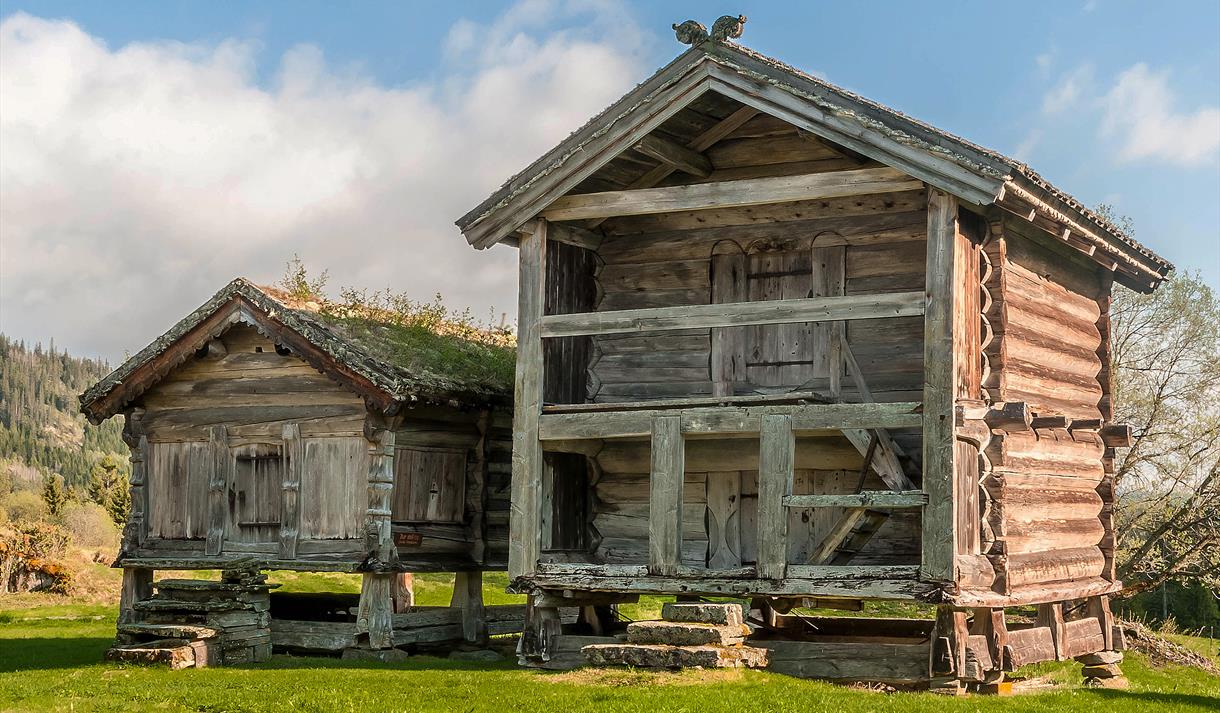
Year after year, the storehouse has stood prominently here in Eidsborg. Steadfast through wind and weather while the rest of the world has carried on around it. But exactly how old is it?
If we examine the timber construction, we find a technique known as Findal timbering (findalslaft or findalshogg), which was used in only a handful of cases in Norway after the Black Death of 1349.
The building proves to be even older when we study a runic inscription by the doorway on the second floor. It reads: «These runes were carved by Vestein. Hail (greetings) to the one who carved them, and likewise to the one who interprets them».
From 1182-1184
The inscription has been dated to around 1300. But the story does not end there. The most recent analyses of the storehouse indicate that it was probably built in 1182, or only a few years later. An earlier date of 1167 has now been shown to be incorrect.
Today, Stålekleiv Loft is an impressive building, but originally it was even more remarkable. Investigations show that the ceiling height on the second floor was originally more than three metres, approximately 60 centimetres higher than it is today.
Around 1225, side galleries were probably added. A front gallery, and possibly one at the rear, appear to have been part of the original structure.
Around 1670, various repairs were carried out on the building. The next major alteration came in 1772, when the building was lifted off the ground and placed on supporting posts and a timber foundation. The two upper courses of logs on the second floor were most likely removed at that time.
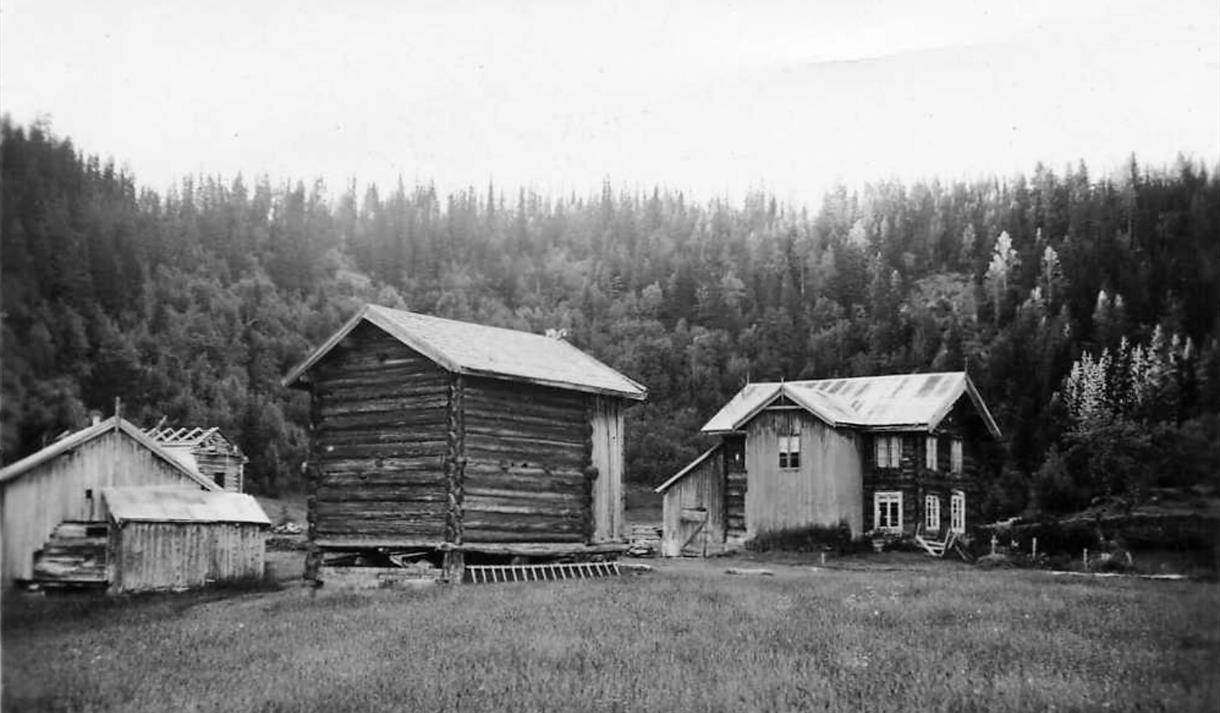
Around 1810, the storehouse was dismantled and re-erected at the farm Uppistog Vindlaus. The external gallery was not rebuilt, and the projecting corner logs were left exposed. Remains of these features can still be seen today.
View a 3D model of the Stålekleiv Loft: Stålekleiv Loft 3D
The building’s age is not the only thing that makes it special. According to local tradition, it was the first loft ever built in Eidsborg, and it was constructed for no ordinary person.
Around the year 1200, a woman by the name Åse Stålekleiv is said to have owned much of the village and to have been exceptionally wealthy. She needed a place to store all her linen, so her sons built a large loft for this purpose. For that reason, the building became known as Stålekleiv Loft (Stålekleivloftet).
Read more: Åse Stålekleiv - The Queen of Eidsborg
The area surrounding the storehouse eventually developed into a separate farm known as Lofthus. From there, the building was later moved to Vindlaus.
Although Åse is not a historically documented person, several legends about her were recorded during the nineteenth century. Stålekleiv is an actual farm located in Eidsborg, on the edge of the cliffs overlooking Lake Bandak.
The bishop dedicated the church to St. Nicholas. Through the years, this saint became an…
Discover Eidsborg Stave Church! An 800-year-old cultural treasure, now dated to pre-1150!…
Discover Vest-Telemark Museum! See Eidsborg Stave Church, Stålekleivloftet from 1184 and…
The Statkraft exhibit centre at the museum in Eidsborg tells the story of hydro power…
For about 1200 years Tokke has had an export industry of whetstones. For Norwegian…
Here at Grimdalstunet you can get a glimpse into the home of the artist Anne Grimdalen. A…
Oyfjell museum of Local History has a rich collection of tools, traditional costumes,…
The history of Sondre Norheim begins in Morgedal, Telemark.
Jazz lovers flock to New Orleans, Elvis fans congregate in Memphis, ski enthusiasts…
The valley of Smørklepp in Vinje made a lasting impression on the famous Norwegian artist…
The Skinnarland Collection houses more than 100 works of art by sculptor Knut Skinnarland…
The museum shows sculptures, paintings, graphic art and drawings by the famous artist…
What did a prosperous farm in West-Telemark look like about 200 years ago? At Kviteseid…
Kviteseid Old Church lies close to Kviteseid Bygdetun museum, on a beautiful plateau near…
Visit Fyresdal Bygdemuseum in Øyskogen, central Fyresdal. One of Norway's oldest folk…
Recently Viewed
Church
The Old Chuch of Kviteseid was built of stone about 1172 and dedicated to St Olav. The roof was…
Historical monument
Friday February 15. 1952 the Winter Olympic Flame was lit in Oslo. Two days before, the pinewood…
Sculptures
The museum shows sculptures, paintings, graphic art and drawings by the famous artist Dyre Vaa…
History
«Nikuls», as he is known locally, is the statue of the Catholic saint St. Nicholas that stands in…
Exhibitions
What did a prosperous farm in West-Telemark look like about 200 years ago? At Kviteseid Museum of…
Museum
Øyfjell Museum of Local History houses a rich collection of traditional tools, costumes,…
Ratings & Reviews
Powered By




© Visit Telemark 2026. Copyright