Whetstones from Eidsborg
Type:Ancient monuments
Eidsborg, Museumsvegen 9, 3891, Høydalsmo



To build your own Itinerary, click  to add an item to your Itinerary basket.
Already saved an Itinerary?





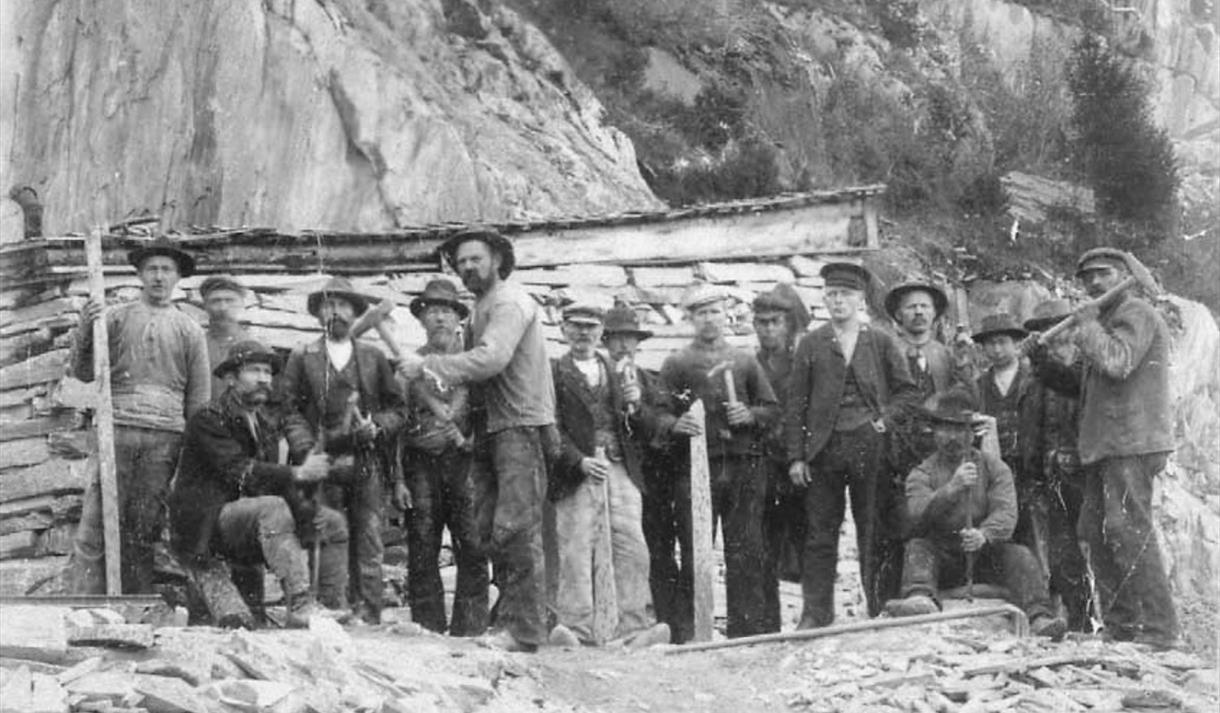


Eidsborg is the largest and longest-lasting whetstone production area known, both in Norway and beyond.
The production of Eidsborg whetstones took place in open quarries, and around the largest extraction sites there are enormous spoil heaps surrounding the quarry faces.
Transportation was primarily carried out via the Telemark waterway system, and this activity laid the foundation for extensive trade and contact with the outside world. Vest-Telemark Museum in Eidsborg has a dedicated exhibition on whetstones.
As long as people have used steel, they have needed whetstones to sharpen tools and weapons such as scythes, sickles, needles, knives, axes, arrows, and spears. The light-grey schist from Eidsborg was particularly well suited for this purpose. It was also relatively easy to extract and likely became a recognized trade product at an early stage. For Norwegian Vikings, whetstones from Eidsborg even served as effective throwing weapons, as described in the saga account of the Battle of Fimreite in 1184.
Did you know that a whetstone believed to originate from Eidsborg has been found in Newfoundland? This discovery provides further evidence of Norse settlement in North America around the year 1000. The story of the Eidsborg whetstone is truly unique and offers valuable insights into trade, cultural contacts, and historical events stretching far back in time.
Whetstone extraction began as early as the eighth century, but finds from the Viking trading town of Ribe in Denmark confirm that large-scale exports of Eidsborg whetstones were established from the 820s onward.
In 1952, the last commercial shipload of whetstones was sent to Norrøna Fabrikker in Skien. This marked the end of commercial whetstone production in Eidsborg. Gjermund Omdal continued quarrying, grinding, and selling whetstones locally as a private enterprise through the 1976 season. His small grinding workshop is now preserved at the Vest-Telemark Museum.
From Vest-Telemark Museum in Eidsborg, a marked hiking trail leads up to one of the historic whetstone quarries: The whetstone walk
The route is equipped with signs and information panels along the way.
The Statkraft exhibit centre at the museum in Eidsborg tells the story of hydro power…
Discover Vest-Telemark Museum! See Eidsborg Stave Church, Stålekleivloftet from 1184 and…
The bishop dedicated the church to St. Nicholas. Through the years, this saint became an…
Discover Eidsborg Stave Church! An 800-year-old cultural treasure, now dated to pre-1150!…
Is the storehouse of the legendary woman Åse Stålekleiv the oldest profane wooden…
Here at Grimdalstunet you can get a glimpse into the home of the artist Anne Grimdalen. A…
Oyfjell museum of Local History has a rich collection of tools, traditional costumes,…
The history of Sondre Norheim begins in Morgedal, Telemark.
Jazz lovers flock to New Orleans, Elvis fans congregate in Memphis, ski enthusiasts…
The valley of Smørklepp in Vinje made a lasting impression on the famous Norwegian artist…
The Skinnarland Collection houses more than 100 works of art by sculptor Knut Skinnarland…
The museum shows sculptures, paintings, graphic art and drawings by the famous artist…
What did a prosperous farm in West-Telemark look like about 200 years ago? At Kviteseid…
Kviteseid Old Church lies close to Kviteseid Bygdetun museum, on a beautiful plateau near…
Visit Fyresdal Bygdemuseum in Øyskogen, central Fyresdal. One of Norway's oldest folk…
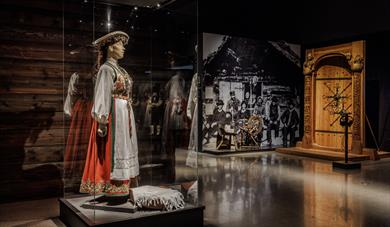 West-Telemark Museum Eidsborg, TokkeDiscover Vest-Telemark Museum! See Eidsborg Stave Church, Stålekleivloftet from 1184 and Telemark’s richest cultural heritage. Plan your visit!
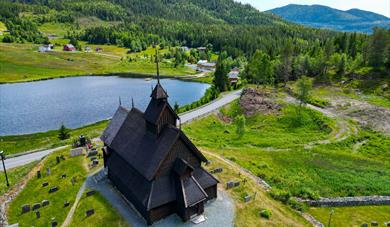 Eidsborg Stave Church, TokkeDiscover Eidsborg Stave Church! An 800-year-old cultural treasure, now dated to pre-1150! See the 360-tour and plan your visit to Vest-Telemark Museum.
 The whetstone walk, TokkeExciting hiking route from Vest-Telemark Museum in Eidsborg to the historic whetstone quarry.
Ratings & Reviews
Powered By




© Visit Telemark 2026. Copyright